Welcome to contact us: aaa888@zhongsheng1688.cn


Views: 0 Author: Site Editor Publish Time: 2025-10-31 Origin: Site

Light fixtures are an essential part of any home, but it's the light cover that truly defines their style and function. From diffusing harsh glare to adding a decorative touch, a light cover can transform the atmosphere of a room. Yet, with so many options available, choosing the right one can feel overwhelming.
This guide will walk you through everything you need to know about light covers. We'll explore the different types, materials, and styles available, helping you make an informed decision for your space. By the end, you'll understand how to select a light cover that not only complements your decor but also enhances your home's lighting quality.
A light cover, also known as a lampshade or light diffuser, is a fixture that goes over a light bulb. Its primary purpose is to direct, diffuse, or simply shield the light source. Without a cover, a bare bulb can create harsh, unpleasant glare and cast sharp shadows. A well-chosen cover softens the light, creating a more inviting and comfortable ambiance.
Beyond their practical function, light covers are a key decorative element. They come in an endless variety of shapes, sizes, colors, and materials, allowing you to customize your lighting to match your interior design style, whether it's modern, traditional, or eclectic.
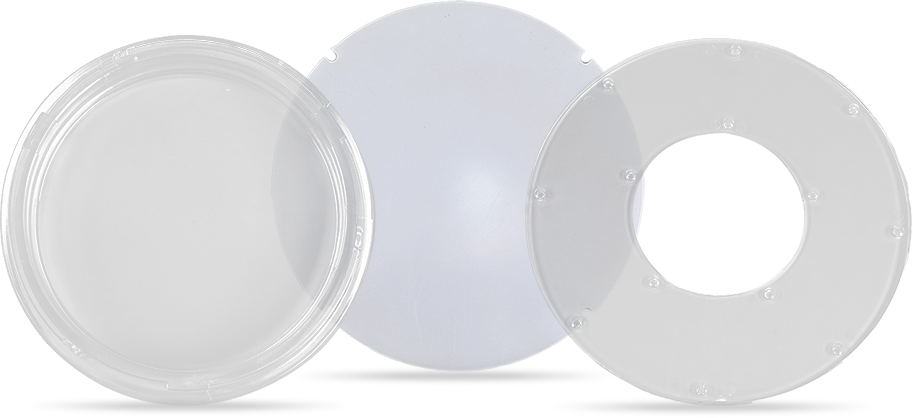
Light covers can be categorized in several ways, but a common approach is to group them by the type of fixture they are designed for.
Lampshades are the most familiar type of light cover, designed for table lamps, floor lamps, and desk lamps. They are incredibly versatile and come in numerous shapes.
Drum Shades: These cylindrical shades have a modern, clean look. Their top and bottom diameters are the same, casting light evenly upwards and downwards.
Empire Shades: A classic, traditional shape with a wider bottom and a narrower top. This cone-like design directs more light downwards, making it great for reading.
Bell Shades: Flaring out at the bottom with a curved profile, bell shades offer a traditional and elegant appearance, softening the light beautifully.
Square/Rectangular Shades: Offering a contemporary and geometric feel, these shades are perfect for modern interiors.
These covers are designed for fixtures mounted directly onto the ceiling, such as flush mounts and semi-flush mounts.
Bowl Covers: Often made of glass or acrylic, these inverted bowl-shaped covers diffuse light across a wide area. They are common in hallways, kitchens, and bedrooms.
Drum Covers: Similar to drum lampshades, these are used for flush or semi-flush ceiling fixtures to provide a clean, contemporary look.
Glass Domes: A simple and timeless option, glass domes provide bright, diffused light and are easy to clean, making them ideal for functional spaces.
Pendant lights hang from the ceiling by a cord or chain, and their shades are often the focal point of a room.
Dome Pendants: Large, overarching dome shades are a popular choice over dining tables and kitchen islands, providing focused downward light.
Cage Shades: Made of metal wire, these shades have an industrial or rustic feel. They don't diffuse light but protect the bulb and add a strong stylistic element.
Glass Shades: Available in clear, frosted, or colored glass, these shades can be shaped like globes, teardrops, or cylinders, offering a wide range of decorative possibilities.
Wall sconces provide ambient or accent lighting, and their covers are designed to direct light upwards, downwards, or both. They often come in half-moon, cylindrical, or boxy shapes made from glass, fabric, or metal.
The material of a light cover dramatically affects both the light quality and the overall aesthetic.
Fabric shades, typically made from cotton, linen, or silk, create a warm and diffused glow. They are perfect for living rooms and bedrooms where a soft, cozy atmosphere is desired. The color and thickness of the fabric will determine how much light passes through. Lighter fabrics provide more illumination, while darker, opaque fabrics direct light up and down.
Glass is a versatile material for light covers.
Frosted or Opal Glass: This is the most common choice for diffusers, as it softens light and reduces glare effectively.
Clear Glass: Used when maximum brightness is needed. It showcases the bulb itself, making it a great partner for decorative Edison or vintage-style bulbs.
Colored or Textured Glass: Stained or art glass can add a pop of color and create unique light patterns, turning a fixture into a work of art.
Metal covers are typically opaque, meaning they block light from passing through. Instead, they shape and direct it. Commonly used for pendant lights and task lighting, metal shades in materials like brass, copper, or matte black can create a strong industrial, modern, or farmhouse look. The interior finish of a metal shade (e.g., white or gold) can also influence the warmth of the reflected light.
Materials like rattan, wicker, bamboo, and paper are popular in bohemian, coastal, and Japandi-inspired interiors. These light covers often have a woven texture that creates beautiful patterns of light and shadow, adding a natural, organic feel to a space.
Feeling ready to make a choice? Here are a few key factors to consider.
1.Match the Fixture and Room Size: The size of the light cover should be proportional to the lamp base or ceiling fixture. A tiny shade on a large lamp will look unbalanced, and a massive pendant in a small room can feel overwhelming. A general rule for lampshades is that the shade's height should be about two-thirds the height of the lamp base, and its width should be wider than the widest part of the base.
2.Define the Purpose: Are you looking for ambient, task, or accent lighting? For ambient light in a living room, a fabric drum shade is a great choice. For focused task lighting over a kitchen island, a set of metal dome pendants would be more effective.
3.Complement Your Decor: The light cover should harmonize with your existing interior design. A sleek, minimalist metal shade will look out of place in a rustic farmhouse setting, just as a frilly, traditional fabric shade would clash with a modern aesthetic.
4.Consider the Bulb: Think about the type of light bulb you'll be using. A clear glass cover pairs well with a visually interesting filament bulb. If you're using a standard LED bulb, an opaque or diffusing cover is a better choice to hide the less-than-pretty plastic base.
A light cover is more than just a functional accessory; it's a powerful design tool. By carefully selecting the right type, material, and style, you can control the mood of a room, enhance your decor, and turn a simple light source into a statement piece. The next time you're looking to update a room, consider changing your light covers. It's a simple and cost-effective way to make a big impact.


