Welcome to contact us: aaa888@zhongsheng1688.cn


Views: 0 Author: Site Editor Publish Time: 2025-12-05 Origin: Site

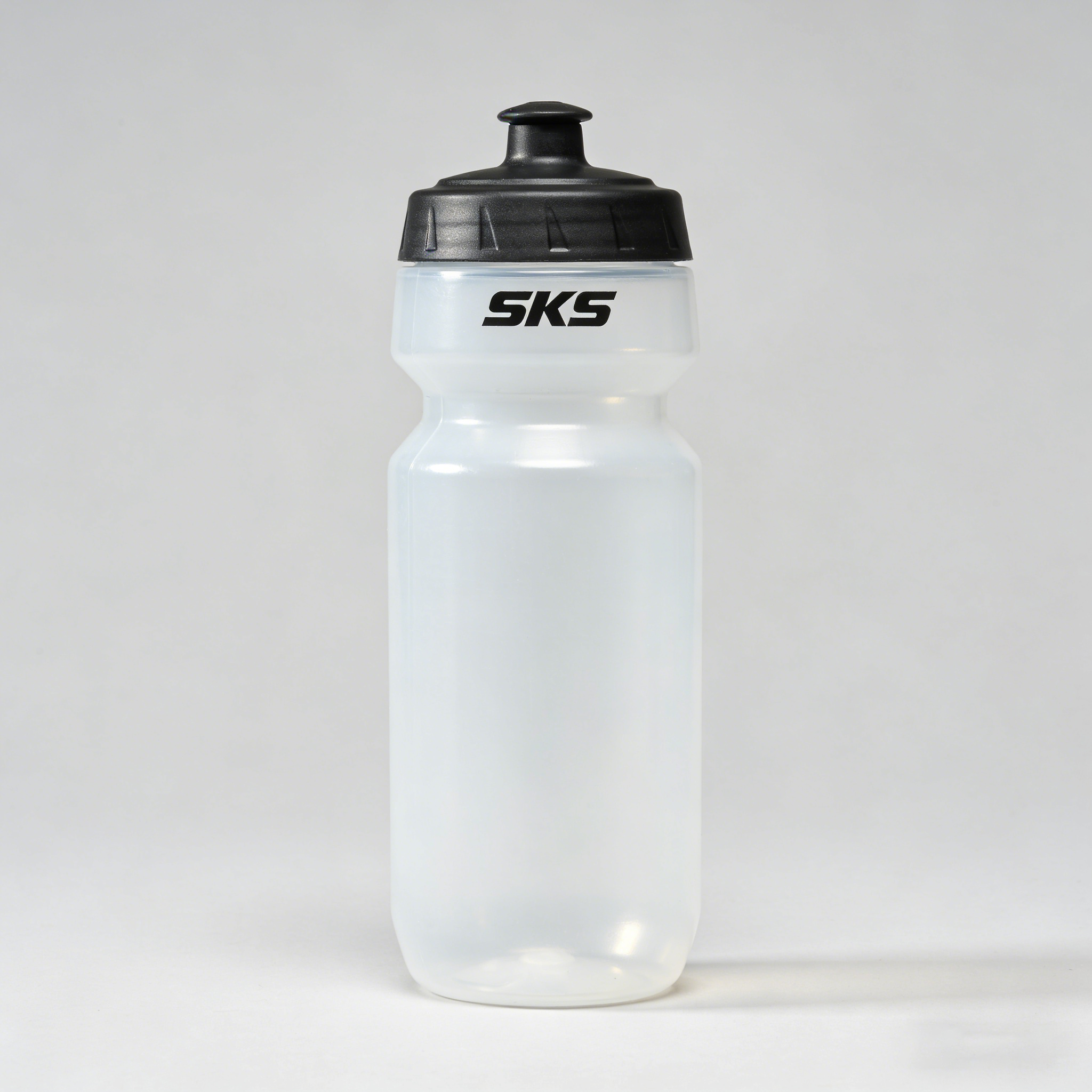
Product packaging does more than just hold a liquid or cream; it communicates your brand's value before a customer even opens the cap. Whether you are launching a new line of cosmetics, beverages, or industrial cleaners, the container you choose is a critical business decision. Many procurement officers and business owners start their search by looking for an SKS bottle, referencing the high standards and variety often associated with established market leaders.
However, finding the right packaging partner involves more than just browsing a catalog. It requires understanding the materials, the manufacturing processes, and the benefits of working directly with a dedicated producer. When you understand the science behind the bottle, you can make better choices for your product’s shelf life, durability, and aesthetic appeal.
This guide explores the essentials of selecting high-quality plastic packaging, comparing material types, and highlighting why direct manufacturing expertise matters.
When you search for an SKS bottle or similar high-quality packaging, you will likely encounter a variety of acronyms. The most common plastics used in bottle manufacturing are PET (Polyethylene Terephthalate), HDPE (High-Density Polyethylene), and PP (Polypropylene).
Each material behaves differently regarding clarity, chemical resistance, and flexibility. Choosing the wrong material can lead to product degradation or packaging failure.
The following table breaks down the primary differences between these common plastics to help you decide which fits your product line.
Feature | PET (Polyethylene Terephthalate) | HDPE (High-Density Polyethylene) | PP (Polypropylene) |
|---|---|---|---|
Clarity | High (Glass-like transparency) | Low (Translucent to Opaque) | Medium (Hazy/Translucent) |
Rigidity | Semi-rigid to rigid | Flexible but tough | Semi-rigid |
Best For | Beverages, personal care, cosmetics | Shampoos, detergents, chemicals | Hot-fill liquids, food containers |
Impact Resistance | Good | Excellent | Good |
Chemical Resistance | Good against oils and alcohols | Excellent against most solvents | Excellent heat and chemical resistance |
If your goal is to showcase the vibrant color of a juice or the texture of a lotion, PET is the superior choice due to its clarity. Conversely, if you need a durable container for industrial soap or shampoo that might be dropped in a shower, the flexibility and toughness of HDPE are preferable.
High-quality packaging is defined by how it is made. Two primary techniques dominate the industry: injection molding and blow molding. Understanding these processes helps you appreciate the consistency and quality control required to produce a reliable bottle.
Injection Molding is typically used for creating solid parts, such as bottle caps, closures, or the "preforms" that eventually become bottles. Molten plastic is injected into a mold cavity, where it cools and hardens to the configuration of the cavity. This allows for incredibly high precision and intricate details.
Blow Molding is the process that creates the hollow shape of the bottle itself. It usually starts with a heated plastic tube (or preform) which is placed inside a mold. Air is then blown into the tube, inflating it like a balloon until it matches the shape of the mold walls.
Process | Ideal Applications | Key Benefit |
|---|---|---|
Injection Molding | Caps, jars, preforms, intricate parts | High precision and tight tolerances |
Blow Molding | Hollow bottles, containers, tanks | Ability to create uniform hollow shapes |
Injection-Blow Molding | Small medical or cosmetic bottles | Combines precision neck with hollow body |
Leading manufacturers, such as Heshan Zhongsheng Plastic Products Co., Ltd., specialize in both of these areas. Located in the Zhuxi Manufacturing Core Area of the Greater Bay Area, they have adhered to strict production scopes for injection molding and blow molding for over 20 years. This dual expertise ensures that the cap fits the bottle perfectly—a crucial detail that prevents leaks and ensures customer satisfaction.
While searching for an SKS bottle might lead you to large distributors, there is a distinct advantage to working directly with a manufacturer like Heshan Zhongsheng. Distributors often act as middlemen, which can sometimes obscure the source of the materials or limit your ability to customize.
Direct manufacturers in industrial hubs like Heshan City offer specific benefits:
Cost Efficiency: By removing the middleman, you often secure better per-unit pricing, which is vital for scaling businesses.
Customization: Manufacturers with their own molding equipment can often adjust designs or create custom molds to suit your specific branding needs.
Quality Control: Companies with a long history—like Heshan Zhongsheng’s two decades of experience—have established protocols to catch defects before they leave the factory floor.
In the packaging industry, consistency is currency. You need to know that the 10,000th bottle you receive is identical to the first. This reliability comes from a supplier's commitment to serving customers with care.
When evaluating a potential supplier, look beyond the catalog. Ask about their location and history. A company situated in a manufacturing core area, such as the Greater Bay Area, has access to the best logistics, raw materials, and skilled labor. This geographical advantage often translates into better reliability and shipping times for your business.
Your packaging is the first interaction a customer has with your product. Whether you are looking for the specific aesthetic of an SKS bottle or a custom solution from a dedicated manufacturer, the key is quality and compatibility.
By understanding your material needs—whether it's the clarity of PET or the durability of HDPE—and partnering with experienced manufacturers who understand the nuances of injection and blow molding, you ensure your product stands out on the shelf. Don't settle for generic solutions; invest in packaging that protects your product and promotes your brand.
Take the next step in your production journey by evaluating your current packaging needs and reaching out to a manufacturer with the history and capability to bring your vision to life.


