Welcome to contact us: aaa888@zhongsheng1688.cn


Views: 0 Author: Site Editor Publish Time: 2025-11-18 Origin: Site

Keeping food, drinks, and medical supplies cold is essential for everything from weekend picnics to critical vaccine transport. While traditional ice bags and gel packs have long been the standard, a more advanced solution is gaining traction: the HDPE Ice Box Ice Board. These sturdy, reusable panels offer superior cooling performance, durability, and convenience.
If you're looking for a reliable way to keep your cooler's contents chilled for longer, HDPE ice boards are an excellent choice. This guide will explain what they are, how they work, and why they might be the perfect upgrade for your cooling needs. We will cover their key features, compare them to other cooling options, and provide tips on how to use them effectively.
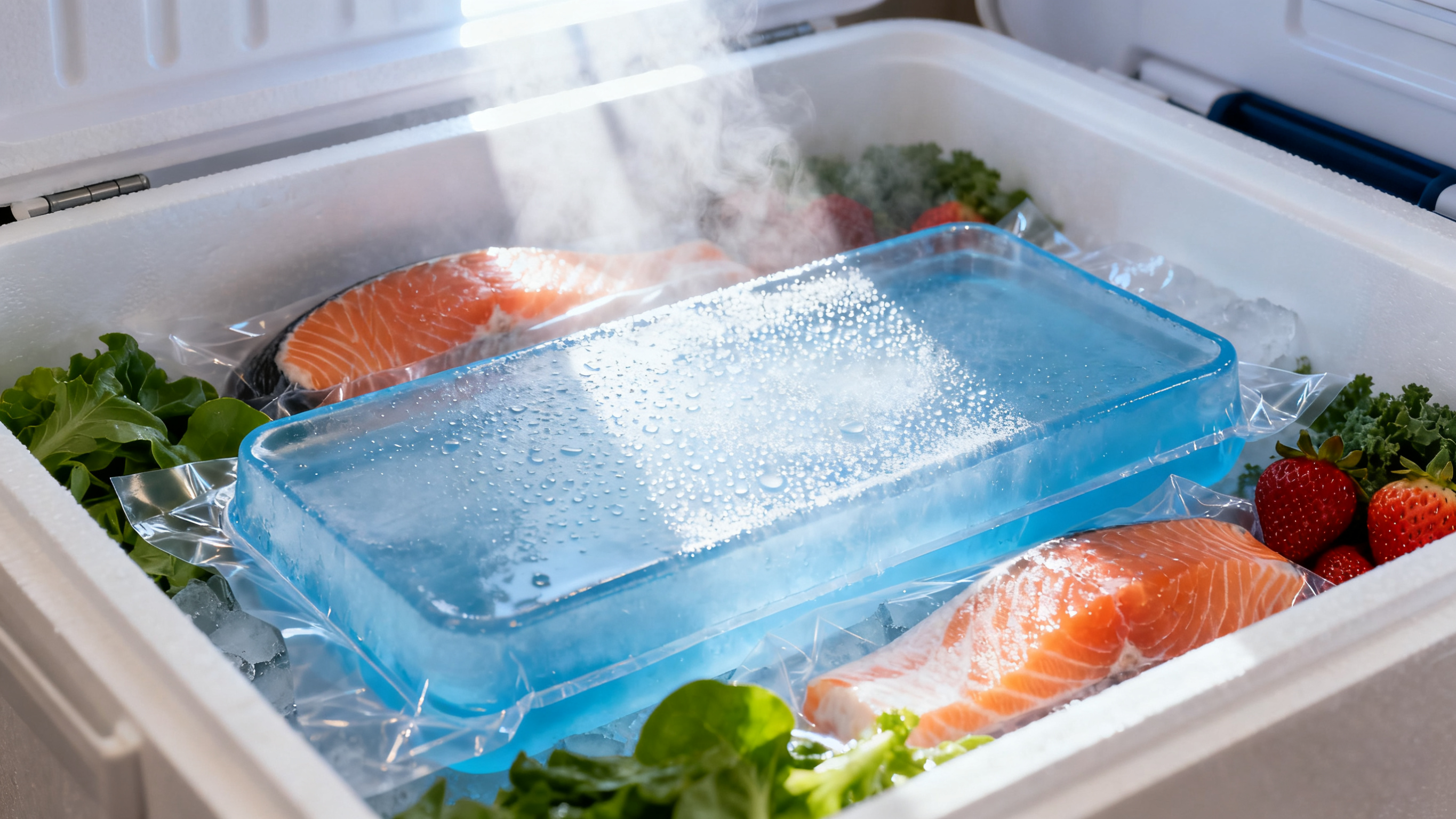
An HDPE Ice Box Ice Board is a rigid, flat, and sealed plastic container filled with a high-performance cooling gel or liquid. The outer shell is made from High-Density Polyethylene (HDPE), a robust thermoplastic known for its strength, impact resistance, and ability to withstand extreme temperatures without cracking or becoming brittle.
Inside, the board contains a non-toxic, phase-change material (PCM). This substance is engineered to freeze at a specific temperature and release its "cold energy" slowly and consistently as it thaws. This controlled process allows it to maintain a stable low temperature for much longer than traditional ice.
Think of it as a high-tech, reusable block of ice. Its slim, board-like shape is designed to maximize surface area for efficient cooling and fit neatly within coolers and insulated boxes without wasting space.
HDPE ice boards are not just a simple replacement for ice; they offer a range of features that make them a superior cooling solution for many applications.
The HDPE shell is the star of the show. This material is incredibly tough and resistant to punctures, leaks, and impacts. Unlike flimsy gel packs that can easily break and spill their contents, HDPE boards are built to last for hundreds of cycles. This makes them a reliable and safe choice, especially for transporting sensitive items like food or medicine where contamination is a concern.
The phase-change material inside an HDPE ice board is its secret weapon. Unlike water ice, which starts melting immediately above 32°F (0°C), PCMs are designed to absorb a large amount of heat while staying at a constant temperature during their phase transition (from solid to liquid). This "latent heat" capacity means they can keep the inside of a cooler at a stable, cold temperature for an extended period—often 24 to 48 hours or even longer, depending on the cooler's quality and ambient conditions.
Investing in HDPE ice boards is a sustainable choice. They can be reused countless times, eliminating the need for disposable ice bags and reducing water consumption. By choosing a durable, long-lasting product, you minimize plastic waste and lower your environmental footprint over time.
The flat, slim profile of ice boards is a significant advantage. They can be placed along the walls, bottom, or top of a cooler, creating an even "wall of cold" that surrounds the contents. This efficient use of space leaves more room for your food and drinks compared to bulky bags of ice, which also melt and leave a watery mess.
How do HDPE ice boards stack up against traditional ice and soft-shell gel packs? Here’s a quick comparison.
Feature | HDPE Ice Board | Traditional Ice (Cubed/Blocked) | Soft Gel Pack |
|---|---|---|---|
Cooling Duration | Very Long (24-72+ hours) | Short to Medium (melts quickly) | Medium (longer than ice, shorter than HDPE) |
Durability | Excellent (rigid, puncture-proof) | N/A (melts away) | Poor (can leak or puncture easily) |
Reusability | Excellent (hundreds of cycles) | Single-use | Good (but prone to wear and tear) |
Space Efficiency | Excellent (slim, flat design) | Poor (bulky and creates water) | Good (flexible but can be bulky) |
Mess | No mess (fully sealed) | High (melts into water) | Low (can leak if punctured) |
Cost | Higher initial investment | Low initial cost | Low to medium initial cost |
As the table shows, while HDPE ice boards have a higher upfront cost, their superior performance, durability, and reusability offer greater long-term value.
Getting the most out of your HDPE ice boards is simple, but following a few best practices can significantly boost their performance.
For maximum cooling duration, pre-chill your cooler and its contents before packing. If possible, bring your drinks and food items down to refrigerator temperature overnight. Placing room-temperature items in the cooler forces the ice boards to work harder and reduces their overall lifespan.
Lay the ice boards flat in your freezer for at least 8-12 hours, or until completely solid. Avoid stacking them, as this can prevent them from freezing evenly. The colder your freezer, the more thermal energy the boards will store. For professional applications, specialized freezers can be used to "charge" the PCMs to their optimal state.
How you pack your cooler matters. A common and effective method is to create a "sandwich" of cold.
Place one frozen ice board at the bottom of the cooler.
Pack your pre-chilled contents on top.
Place another frozen ice board directly on top of the contents.
Use additional boards along the sides for larger coolers or very long trips.
This surrounds your items with consistent cold, minimizing hot spots. Remember that cold air sinks, so placing a board on top is particularly effective.
Air is the enemy of cold retention. Any empty space in your cooler will accelerate thawing. Fill gaps with towels, extra snacks, or even crumpled newspaper to reduce air circulation and help your ice boards last longer.
The versatility and reliability of the HDPE Ice Box Ice Board make it suitable for a wide range of uses:
Recreational: Camping, fishing, beach trips, and tailgating.
Commercial: Transporting food for catering or farmer's markets.
Medical: Shipping temperature-sensitive medicines, vaccines, and lab samples.
Logistics: Cold chain shipping for perishable goods.
HDPE ice boards represent a significant step up from traditional cooling methods. Their robust construction, long-lasting performance, and reusable nature provide unmatched value and convenience. Whether you are a weekend adventurer tired of soggy sandwiches or a professional requiring dependable temperature control for sensitive shipments, making the switch to HDPE ice boards is a smart investment.
By upgrading your cooling system, you can spend less time worrying about melting ice and more time enjoying fresh food, cold drinks, and peace of mind.


