


Views: 0 Author: Site Editor Publish Time: 2025-12-09 Origin: Site

In commercial kitchens, hotels, and event spaces, a reliable ice supply is non-negotiable. When the ice machine fails, service grinds to a halt. While many components contribute to an ice maker's performance, one of the most critical is the plastic ice plate. This essential part is the foundation of ice production, yet it often goes overlooked until a problem arises.
This guide will explore the function of plastic ice plates, the common materials used to make them, and how to choose the right one for your needs. Understanding this component is key to ensuring your ice machine operates efficiently, producing clean and consistent ice day after day.
A plastic ice plate, also known as an evaporator plate, is the surface where water freezes to form ice cubes in a commercial ice machine. It consists of a grid-like structure, often made from durable, food-grade plastic, with a network of channels for refrigerant to flow through.
Here's how it works:
Refrigerant Flow: A cooling refrigerant circulates through the channels within the plate, rapidly lowering its surface temperature to below freezing.
Water Cascade: Water is pumped over the surface of the chilled plate.
Ice Formation: As the water flows over the freezing grid, it solidifies layer by layer, forming clean, clear ice cubes within the plate's molds.
Harvest Cycle: Once the cubes reach the desired size, a harvest cycle begins. The refrigerant flow is altered, slightly warming the plate and releasing the ice cubes into a storage bin.
The design and material of the plastic ice plate directly impact the efficiency of this cycle, the quality of the ice, and the machine's overall durability.
The material composition of an ice plate is crucial for its performance and longevity. Manufacturers choose plastics that offer excellent thermal conductivity, durability, and food-safe properties. The most common materials are ABS and food-grade Polypropylene (PP).
ABS is a thermoplastic polymer known for its strength, rigidity, and impact resistance. It's a popular choice for ice plates because it can withstand the constant temperature fluctuations of the freeze-and-harvest cycles without cracking or warping.
Advantages of ABS |
Considerations |
|---|---|
High Durability: Resistant to physical impact and chemical corrosion from cleaning agents. |
Cost: Generally more expensive than other plastics like polypropylene. |
Temperature Stability: Maintains its structural integrity across a wide range of temperatures. |
Flexibility: Less flexible than PP, which can make it more susceptible to cracking under extreme stress. |
Smooth Surface: Creates clear, well-formed ice cubes and is relatively easy to clean. |
Polypropylene is another thermoplastic valued for its flexibility, chemical resistance, and cost-effectiveness. Food-grade PP is certified safe for contact with consumables, making it a suitable material for ice machine components.
Advantages of PP |
Considerations |
|---|---|
Chemical Resistance: Highly resistant to acids and cleaning solutions, preventing degradation over time. |
Lower Rigidity: Can be more prone to warping over time compared to ABS. |
Flexibility: More flexible than ABS, making it less likely to crack under stress. |
Softer Surface: May be more susceptible to scratches, which can harbor bacteria if not cleaned properly. |
Cost-Effective: Generally a more affordable material, which can lower manufacturing costs. |
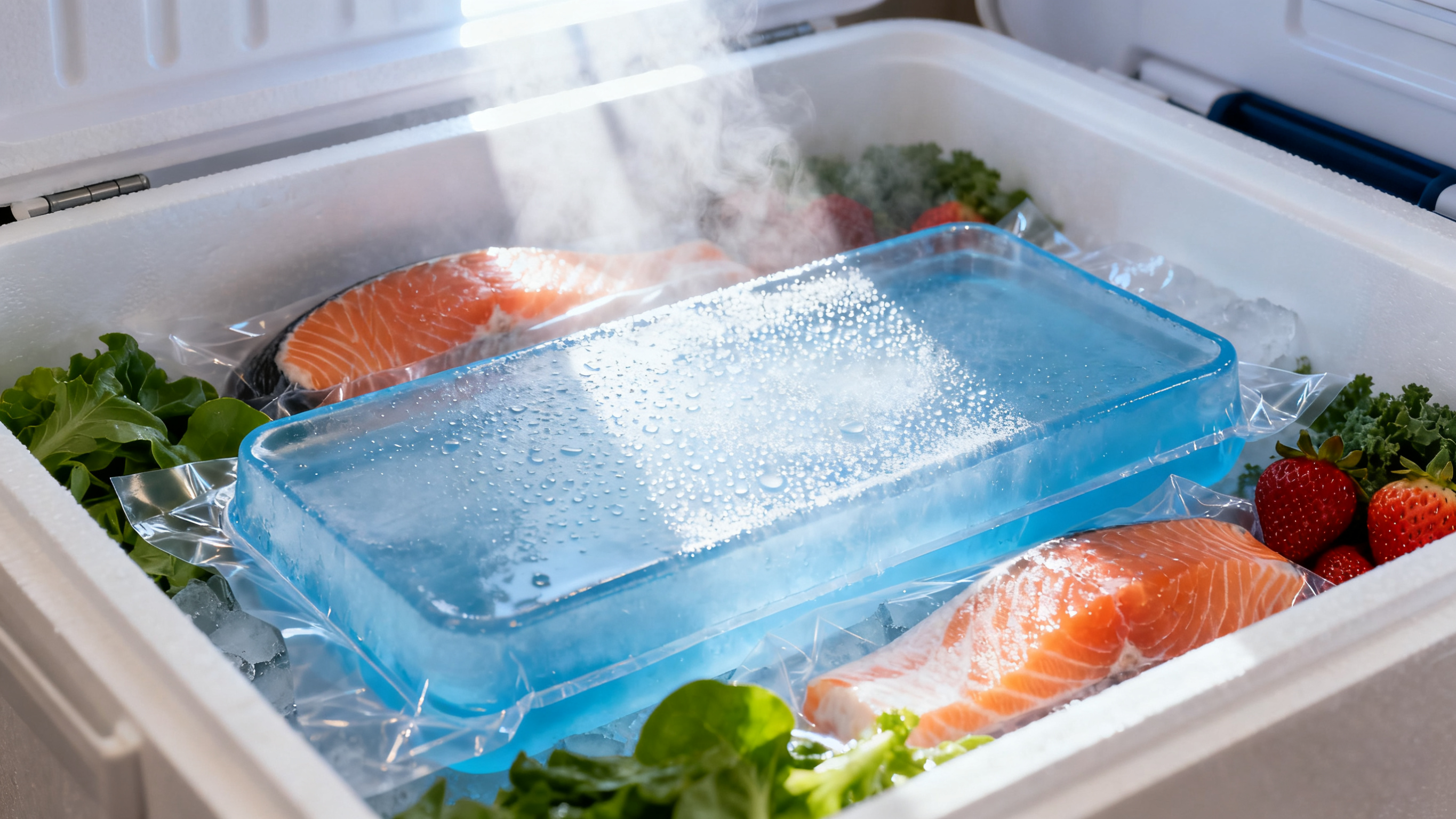
When sourcing a replacement or choosing a new ice machine, pay close attention to the features of its plastic ice plate. These details can significantly affect performance and maintenance requirements.
Always ensure the plate is made from high-quality, food-grade plastic like ABS or PP. Reputable manufacturers, like Heshan Zhongsheng Plastic Products, use premium materials that comply with international safety standards. This guarantees that the ice produced is safe for consumption and that the plate will withstand the rigors of a commercial environment.
The shape and size of the grid determine the shape of the ice cubes (full cube, half cube, nugget, etc.). A well-designed plate promotes even water flow, which results in clearer, more uniform ice. Poorly designed plates can create cloudy ice or incomplete cubes, affecting beverage presentation and cooling effectiveness.
Scale buildup and slime are common issues in ice machines. A plastic ice plate with a smooth, non-porous surface is easier to clean and less likely to harbor bacteria. Some plates are designed with antimicrobial coatings to further inhibit the growth of mold and slime, reducing maintenance frequency and ensuring hygiene.
If you are purchasing a replacement part, compatibility is non-negotiable. The plate must match your ice machine's make and model precisely. An ill-fitting plate can lead to water leaks, inefficient freezing, and damage to other components. It's always best to source parts from the original manufacturer or a trusted supplier that guarantees OEM-level specifications.
Proper maintenance is essential for extending the life of your plastic ice plate and ensuring your machine produces clean, safe ice.
Regular Cleaning: Follow the manufacturer's instructions for cleaning and sanitizing your ice machine. This typically involves using a nickel-safe scale remover and a sanitizer to eliminate mineral buildup and biological contaminants. A clean ice plate freezes water more efficiently.
Inspect for Damage: During cleaning, inspect the plate for any signs of wear, such as cracks, deep scratches, or warping. A damaged plate can harbor bacteria and may not release ice properly during the harvest cycle.
Check Water Filtration: A good water filtration system is your first line of defense against scale. Filters remove minerals and sediment from the water before it enters the ice machine, significantly reducing the rate of scale buildup on the ice plate.
Professional Servicing: Schedule regular professional servicing for your ice machine. A technician can perform a thorough cleaning, check refrigerant levels, and ensure all components, including the plastic ice plate, are functioning correctly.
The plastic ice plate is a testament to precision engineering in modern appliance design. Its material, design, and quality are fundamental to the reliable production of ice in any commercial setting. By understanding its function and prioritizing quality, you can ensure your operations run smoothly without the costly interruption of a failed ice machine.
At Heshan Zhongsheng Plastic Products, we have over 20 years of experience in precision injection and blow molding. We partner with businesses to create custom plastic components, including high-quality plastic ice plates, designed for durability and performance. If you need a reliable manufacturing partner for your next project, contact our team to discuss your requirements.


