Welcome to contact us:aaa888@zhongsheng1688.cn

- All
- Product Name
- Product Keyword
- Product Model
- Product Summary
- Product Description
- Multi Field Search
English


Views: 0 Author: Site Editor Publish Time: 2025-12-19 Origin: Site
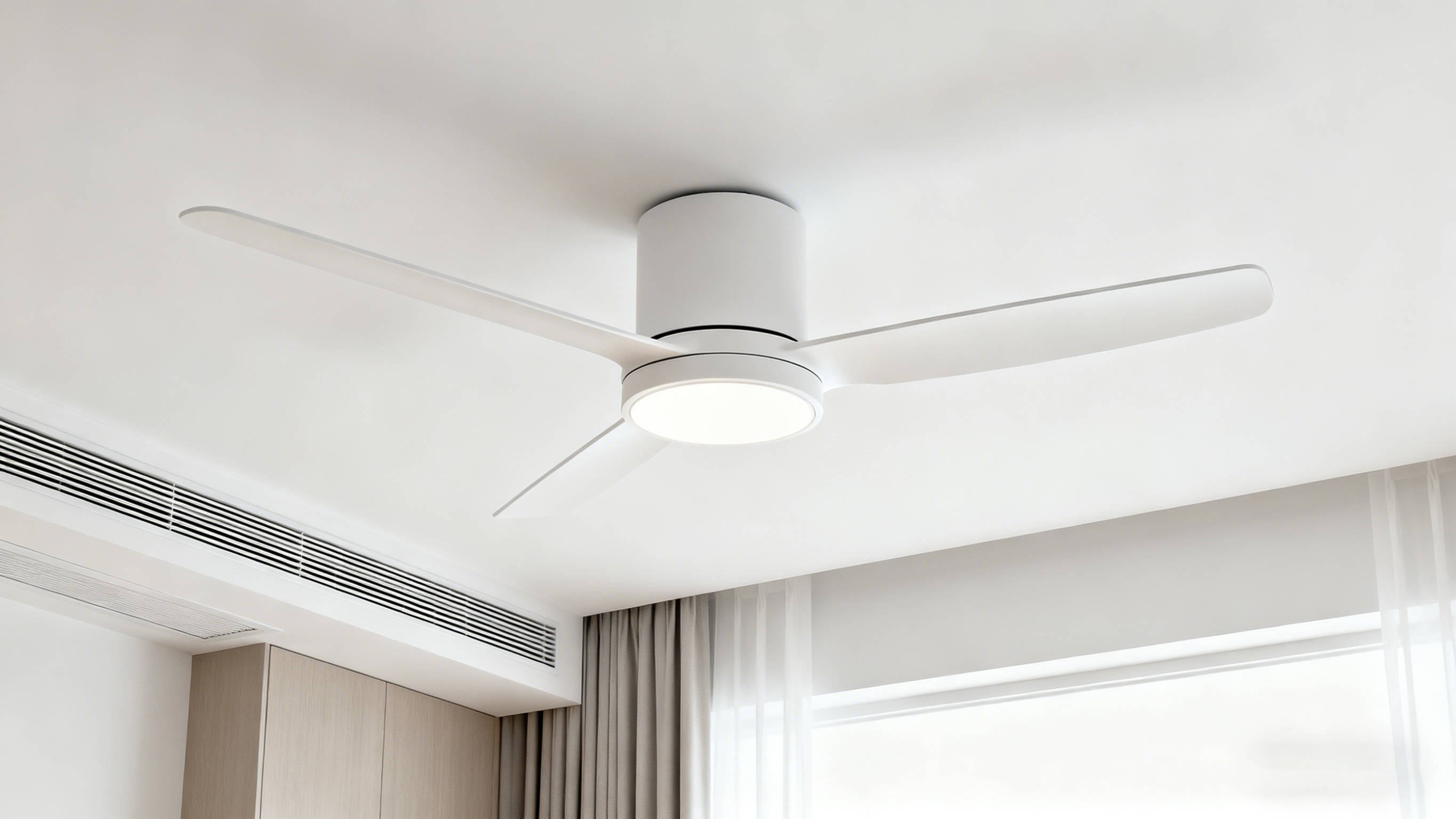
Choosing the right ceiling fan involves more than just picking a color that matches your living room rug. One of the most critical decisions you will make is selecting the material of the fan blades. While wood offers a classic look and metal suggests industrial strength, plastic ceiling fan blades have quietly become the top contender for modern homes and commercial spaces.
The material of your fan blades affects everything from airflow efficiency and noise levels to durability and maintenance. If you are debating between the traditional charm of wood or the sleekness of metal, you might be surprised to find that modern polymers offer a superior balance of form and function.
In this guide, we will explore why plastic is outperforming its competitors. We will break down the differences in durability, design flexibility, and cost, helping you decide if plastic ceiling fan blades are the right upgrade for your space.
To understand why plastic is gaining popularity, we first need to look at the alternatives. For decades, wood and metal were the standard. Real wood blades were prized for their furniture-grade appearance, often hand-carved and stained to match cabinetry. However, real wood is heavy and susceptible to warping from humidity.
Metal blades, often found in industrial settings, are known for moving large volumes of air but can be noisy and dangerous in residential settings with low ceilings.
This is where plastic—specifically high-quality ABS (Acrylonitrile Butadiene Styrene)—enters the picture. Manufacturers like Heshan Zhongsheng Plastic Products utilize advanced injection blow molding processes to create blades that mimic the look of wood or metal while eliminating their structural weaknesses.
Before diving into the specifics, let’s look at how these three materials stack up against each other in key categories.
Feature | Plastic (ABS) Blades | Wood (Timber/Plywood) Blades | Metal (Steel/Aluminum) Blades |
|---|---|---|---|
Durability | High; resistant to moisture and warping | Low to Medium; can warp in humidity | High; prone to rust if not treated |
Weight | Lightweight; easier on the motor | Heavy; requires a stronger motor | Medium to Heavy |
Noise Level | Very Quiet | Quiet (if balanced) | Noisy (wind noise) |
Design Options | Unlimited shapes (molded) | Limited to carved shapes | Limited to flat/stamped shapes |
Maintenance | Easy; wipe clean | Requires polishing/wood treatment | Prone to dust buildup and rust |
Cost | Cost-effective | Expensive (solid wood) | Moderate |
One of the most significant advantages of plastic ceiling fan blades is their resilience. Wood is hygroscopic, meaning it absorbs moisture from the air. In a humid environment—like a coastal home, a bathroom, or an outdoor patio—wood blades can swell, warp, and droop over time. This warping throws the fan off balance, leading to that annoying wobble and ticking noise.
Metal blades, while strong, are susceptible to corrosion and rust, especially in outdoor settings where salty air or rain is a factor.
Plastic blades are impervious to moisture. They will not warp, peel, or rust. This makes them the ideal choice for:
Outdoor patios and pergolas: They can withstand morning dew and humidity changes.
Bathrooms and kitchens: Steam and cooking grease won't degrade the material.
Coastal regions: Salt air won't eat away at the finish.
If you want a fan that truly cools a room, the shape of the blade matters immensely. This is where the manufacturing process of plastic blades shines. Because plastic can be molded into any shape, engineers can design blades with complex aerodynamic curves that are impossible to achieve with flat metal or expensive to carve from wood.
Plastic blades can be formed with variable pitches—meaning the angle of the blade changes from the root to the tip. This design maximizes air movement while minimizing drag. The result is a fan that moves more cubic feet of air per minute (CFM) while using less energy.
Furthermore, plastic is lightweight. A lighter blade puts less strain on the fan's motor. This allows the motor to spin easier and last longer, providing better energy efficiency for your home.

Have you ever tried to sleep under a fan that sounds like a helicopter taking off? That noise is often caused by air resistance (wind noise) or mechanical humming due to heavy blades.
Metal blades are notorious for "cutting" the air, which creates a whooshing sound at higher speeds. Wood blades can be quiet, but if they are solid wood, their weight can cause the motor to hum.
Plastic ceiling fan blades are often designed to be "silent." Because they can be molded into smooth, aerodynamic shapes, they slice through the air with minimal resistance. Additionally, the material itself has slight vibration-dampening properties, absorbing the mechanical noise from the motor rather than amplifying it like a metal blade might.
There was a time when "plastic" was synonymous with "cheap looking." That is no longer the case. Modern manufacturing techniques allow plastic blades to look exactly like high-end timber, brushed nickel, or matte black steel.
Faux Wood: You can get the warm, rich look of mahogany or oak without the maintenance or risk of warping.
Modern Minimalism: Plastic allows for unique, sweeping shapes—like propeller styles or flower-petal designs—that act as a centerpiece for modern interior design.
Custom Colors: Unlike metal, which requires painting (that can chip), plastic can be colored all the way through the material.
Whether you need a 52-inch blade with a pointed tail for a sleek office or a leaf-shaped blade for a tropical-themed resort, plastic offers the widest range of aesthetic options.
Ceiling fans are dust magnets. Cleaning them can be a chore, especially if you have to be careful about the cleaning products you use.
Wood: You generally cannot use harsh chemical cleaners or too much water on wood blades, as it can damage the finish or cause the wood to expand.
Metal: You have to be careful not to scratch the paint, which could lead to rust spots later.
Plastic ceiling fan blades are incredibly low maintenance. You can wipe them down with a damp cloth and mild soap without worry. They are robust enough to handle scrubbing if grease builds up (common in kitchen fans), and they don't require polishing or refinishing to keep them looking new.
Safety is an often-overlooked factor when choosing fan blades. Metal blades can be quite sharp and heavy. If installed in a room with a lower ceiling or a bunk bed, a metal blade spinning at high speed presents a safety hazard.
Plastic blades are lightweight and generally have softer, rounded edges. While you certainly don't want to stick your hand into any moving fan, an accidental impact with a lightweight plastic blade is far less likely to cause serious injury compared to a heavy steel blade. This makes plastic a smarter choice for children's bedrooms and playrooms.
Generally, yes. While high-end designer plastic fans exist, the manufacturing cost of injection molding is typically lower than carving and treating solid wood. You often get a better price-to-performance ratio with plastic.
Absolutely. They are often the best choice for outdoor spaces (known as "wet-rated" or "damp-rated" fans) because they are waterproof and UV-resistant, preventing them from drooping or fading in the sun.
Not anymore. High-quality ABS plastic can be finished to mimic the texture and grain of wood or the sheen of metal. From a distance, it is often difficult to tell the difference between a premium plastic blade and a real wood one.
High-quality plastic blades are treated with UV inhibitors to prevent yellowing. Cheaper plastics might discolor, so it is important to buy from reputable manufacturers who use high-grade materials.
When you weigh the pros and cons, the argument for plastic ceiling fan blades is strong. They offer the best airflow efficiency, the lowest noise levels, and the highest durability against humidity and wear. While there will always be a niche market for the authenticity of real handcrafted wood, for the vast majority of homeowners and businesses, plastic offers a superior, long-lasting solution.
If you are ready to upgrade your fixtures or are manufacturing fans and need reliable components, looking into high-quality molded options is the smart move. They ensure that your fan remains a silent, cooling companion for years to come, rather than a noisy, wobbly nuisance.


