Welcome to contact us: aaa888@zhongsheng1688.cn


Views: 0 Author: Site Editor Publish Time: 2025-12-30 Origin: Site
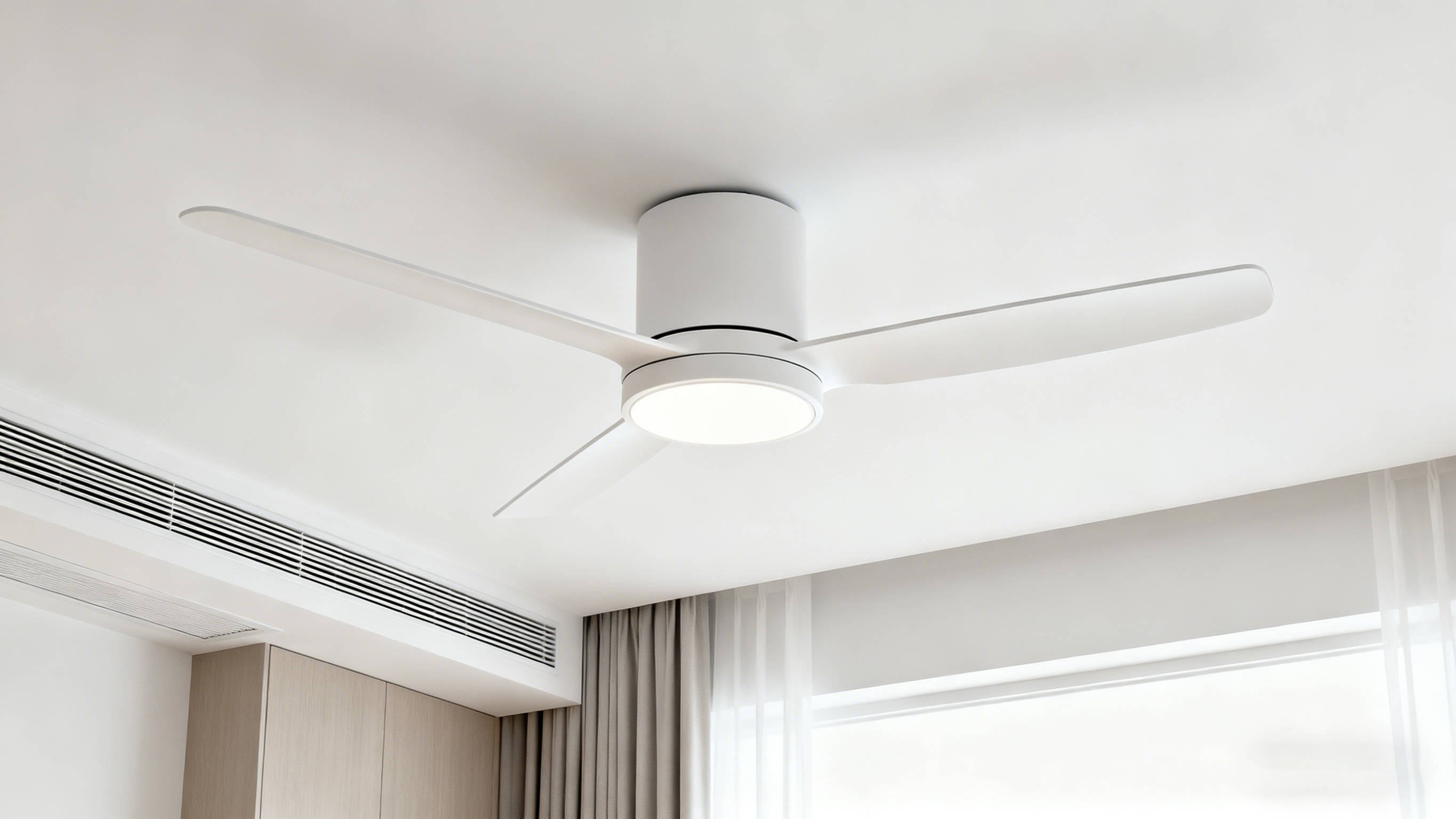
When you walk into a hardware store or browse an online lighting catalog, the sheer number of ceiling fan options can be overwhelming. For decades, traditional materials like wood (specifically timber or plywood) and metal dominated the market. However, a shift has occurred in recent years. Homeowners and commercial designers are increasingly turning toward a more modern, durable, and versatile option: ceiling fan plastic blades.
Choosing the right fan isn't just about picking a color that matches your sofa. The material of the blades dictates where the fan can be installed, how long it will last, and how quietly it will operate. While wood offers a classic look, it has limitations regarding humidity and durability. Metal is strong but can be noisy and prone to rust. This brings us to high-quality plastics, such as ABS (Acrylonitrile Butadiene Styrene), which solve many of these engineering challenges.
In this guide, we will answer the most common questions regarding plastic ceiling fan blades, exploring exactly where they should be used to maximize their lifespan and performance.
Before discussing where to use them, it is important to understand why they are being used. The shift toward plastic is not about cutting costs; it is about engineering precision.
Plastic blades are typically created using injection molding. This process allows manufacturers to create blades that are perfectly balanced right out of the mold. Wood, being a natural material, varies in density, which can cause fans to wobble. Metal requires complex balancing weights. Plastic offers consistency.
Furthermore, plastic fan blades for ceiling fans allow for aerodynamic shapes that are impossible to carve from wood or stamp from metal. This results in fans that move more air while using less energy and creating less wind noise.
One of the most popular applications for plastic blades is in outdoor or semi-outdoor settings. If you are designing a patio, a pergola, or a veranda, plastic is often the superior choice.
Standard indoor fans made of pressed wood (MDF) will absorb moisture from the air. Over time, this causes the blades to droop, warp, and eventually peel. Even treated timber can struggle with constant exposure to morning dew or humidity. Metal fans, unless made of marine-grade steel, are susceptible to rust and corrosion.
Plastic blades are impervious to moisture. They do not rust, warp, or droop. This makes them the standard for "wet-rated" or "damp-rated" fans.
Comparison of Outdoor Durability by Material
Material | Moisture Resistance | UV Resistance | Risk of Warping | Best Application |
|---|---|---|---|---|
Plastic (ABS) | Excellent | High | None | Patios, Porches, Gazebos |
MDF / Plywood | Poor | Low | High | Dry Indoor Rooms Only |
Solid Wood | Moderate | Moderate | Moderate | Covered Porches (if sealed) |
Metal | High (if coated) | High | None | Industrial / Dry Outdoors |
While we often think of "humidity" in relation to the outdoors, bathrooms and kitchens are essentially micro-climates within a home that generate significant moisture.
Steam from showers creates a high-humidity environment. If you install a fan with plywood blades in a bathroom, the steam will eventually penetrate the laminated layers. Ceiling fan plastic blades are ideal here because they are completely waterproof. You can wipe them down to remove dust and condensation without worrying about damaging the material finish.
Kitchens present a different challenge: grease. Cooking oils become airborne and settle on surfaces, including fan blades. Cleaning grease off a porous wood blade can damage the finish or the wood itself. Plastic blades usually feature a smooth, non-porous surface. This allows for easy cleaning with standard household cleaners, making them a hygienic option for food preparation areas.

Yes, and the adoption rate is high. Heshan Zhongsheng Plastic Products Co., Ltd., a professional manufacturer established in 1999, has seen increased demand for robust plastic components in commercial sectors.
In commercial settings like restaurants, gyms, and warehouses, the priorities are different from residential needs. The fan must run for 12 to 24 hours a day, meaning the motor load must be minimized. Because plastic is lightweight, it puts less strain on the motor compared to heavy solid wood or steel blades. This extends the operational life of the unit.
Furthermore, safety is paramount. In a gym or a busy restaurant, a lightweight plastic blade is generally considered safer than a heavy metal blade in the unlikely event of an accident or collision with an object.
For those interested in the specific manufacturing quality of these components, you can learn more about high-performance options here: https://www.zsplasticbottle.com/fan-light-blade.html.
A common misconception is that plastic fans look "cheap" or strictly utilitarian. This may have been true in the 1990s, but modern injection molding technology has changed the landscape.
Today, plastic ceiling fan blades are often painted or finished to mimic other materials so convincingly that you cannot tell the difference without touching them. They can be finished with:
Faux Wood Grains: Rich walnuts, oaks, and driftwood textures.
Metallic Finishes: Brushed nickel, oil-rubbed bronze, and matte black.
Solid Colors: Crisp whites for modern minimalist homes.
Because plastic can be molded into any shape, designers use it to create unique, architectural looks—such as blades that resemble large tropical leaves or sleek, twisted aviation-style propellers.
Design Flexibility by Material
Feature | Plastic Blades | Wood Blades | Metal Blades |
|---|---|---|---|
Shape Complexity | High (Curved, twisted, 3D) | Low (Mostly flat/paddle) | Medium (Stamped shapes) |
Finish Variety | Unlimited (Paint/Texture) | Stain/Paint | Plated/Painted |
Modern Aesthetics | Excellent | Good | Excellent |
Traditional Aesthetics | Good (Faux Wood) | Excellent | Moderate |
Not all plastic is created equal. The quality of the blade depends heavily on the manufacturing expertise. Companies like Heshan Zhongsheng Plastic Products Co., Ltd. utilize advanced blow molding and injection molding processes.
Located in Guangdong, China, manufacturers in this region have specialized in providing solutions for electrical appliances for decades. High-quality production ensures that the plastic is UV-stabilized. This is a critical step; without UV stabilization, white plastic blades installed in a sunroom could turn yellow and brittle over time. Premium manufacturing ensures the color remains true and the structural integrity holds up against heat and centrifugal force.
One of the strongest arguments for choosing plastic is the "set it and forget it" nature of the material.
Cleaning: They do not require special wood polishes or metal cleaners. Warm water and mild soap are sufficient.
Balancing: Because they do not absorb moisture, they do not change weight seasonally. A wood fan might become unbalanced in a humid summer as the blades swell; a plastic fan will remain balanced year-round.
Durability: They are resistant to chipping. If you accidentally hit a wood blade with a broom handle while cleaning, it might dent or chip the veneer. Plastic is resilient and absorbs minor impacts better.
The era of viewing plastic as a "budget" alternative is over. When it comes to moving air efficiently, quietly, and reliably, ceiling fan plastic blades are often the superior engineering choice.
Whether you are outfitting a humid coastal patio, a busy commercial kitchen, or a stylish modern living room, these blades offer a blend of durability and design flexibility that wood and metal simply cannot match. By choosing blades manufactured with precision—like those from experts in the electrical appliance field—you ensure your cooling system looks great and functions perfectly for years to come.
If you are looking for specific appliance components or high-quality plastic solutions, consider the expertise of established manufacturers.
Learn more about specialized fan light blades here.


